
 admin
adminEvery November, families across America gather around the table to share a meal, bow their heads in prayer, and give thanks. But Thanksgiving isn’t just about turkey, football, or a long weekend off. It’s about remembering where our blessings come from and why gratitude is essential for a free and faithful people.
A Heritage Rooted in Faith
The first Thanksgiving in 1621 wasn’t a celebration of abundance. It was a heartfelt act of gratitude. The Pilgrims had endured starvation and disease. Yet they chose to thank God — not because life was easy, but because He had carried them through the hardship. Governor William Bradford wrote that they gathered “to render thanks to Almighty God for all His blessings.”
That spirit of humility and dependence on God set the moral foundation for what would become the United States. The early settlers understood something many have forgotten today: our survival and success depend on faith, hard work, and divine providence — not on government handouts or political promises.
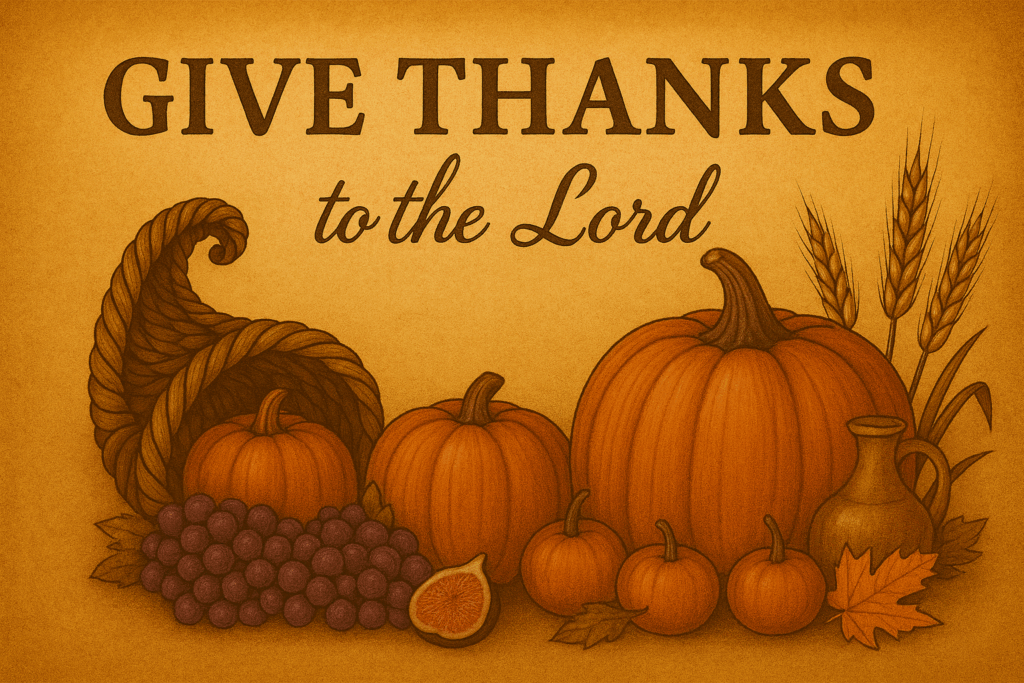
Lincoln’s Call to a Nation
More than two hundred years later, in 1863, President Abraham Lincoln issued a proclamation declaring the last Thursday of November as a national day of Thanksgiving— right in the middle of the Civil War. The country was torn apart, and yet Lincoln called the nation to prayer and thanksgiving. He knew that gratitude has the power to heal and unite, even in dark times.
Lincoln’s proclamation was a spiritual reminder that America’s blessings come from God, and that national renewal begins with a grateful heart. Thanksgiving, in its truest form, is about returning to God in gratitude and repentance.
Gratitude or Entitlement
Sadly, in modern America, that meaning often gets lost. Schools skip over the Pilgrims’ faith, the media turns the day into a shopping marathon, and too many see blessings as entitlements instead of gifts.
From a conservative Christian view, that’s not just cultural decline; it’s spiritual decay. When people stop thanking God, they start expecting government to play God. When we forget that blessings come from Heaven, we begin demanding them from Washington.
Family, Faith, and Freedom
At its heart, Thanksgiving is about faith, family, and freedom — three values that define Texas and the Christian conservative movement. It’s the time of year when parents remind their children of the sacrifices made by those who came before them, and when families pause to pray for the future of our families and nation.
We believe defending Texas values begins at home, around the dinner table, in prayer, and in gratitude. When families pray together and give thanks, they’re teaching the next generation that freedom depends on humility and personal responsibility. Gratitude keeps our hearts grounded and our communities strong.
Faith in Action
True thankfulness is more than words — it’s action. The Bible says, “Give thanks in all circumstances” (1 Thessalonians 5:18). Across Texas, churches live this out each Thanksgiving by serving the poor, feeding the hungry, and lending a hand to those in need.
Remembering the Source
America’s founders understood that rights come from God, not man. That truth is at the core of Thanksgiving. Gratitude keeps free people humble. It guards us from thinking we are self-made or self-sufficient. As Alexis de Tocqueville observed, “America is great because she is good.” And America is good because she remembers God.
When we give thanks, we are renewing that moral bond between a nation and its Creator. Thanksgiving is our yearly reminder that liberty survives only when the people remember who gave it to them.
A Prayer for America
This Thanksgiving, may Texans and all Americans take a moment to truly give thanks — for our families, our freedoms, and the faith that built this country. May we remember the courage of the Pilgrims, the wisdom of Lincoln, and the countless blessings that surround us.
Let us be people of gratitude in an age of entitlement, of faith in a time of doubt, and of courage in a world that rewards fear. For as the Psalmist wrote, “Blessed is the nation whose God is the Lord.”
Author: Joseph Vargas