
 admin
The election on Tuesday, November 3, 2026, will determine more than who controls Congress for the next two years. It could also influence what happens after the 2028 presidential election and whether future majorities have the votes to make lasting changes to government.
That is why this midterm election deserves the attention of every citizen, especially conservatives concerned about the nation’s long-term direction. We are not simply choosing political personalities. We are deciding who writes laws, controls federal spending, confirms judges, and holds government accountable.
I want to make a personal appeal to every eligible voter: Do not sit this election out.
Two future possibilities are most concerning if Democrats win.
First, sweeping immigration legislation. A future administration and Congress could pursue broader legalization and pathways to citizenship for millions of people living in the United States illegally. Legalization by itself would not confer the right to vote in federal elections; citizenship would. Over time, such changes could influence the electorate, alongside their consequences for border security, labor markets, and immigration enforcement.
Second, expansion of the Supreme Court. Congress has the authority to change the number of justices through legislation. Increasing the size of the Court could allow a president to appoint additional justices, potentially changing its ideological direction without waiting for vacancies.
These outcomes could substantially alter the institutions that help maintain a competitive balance of power.
This brings us to the importance of the U.S. Senate. Senators elected in 2026 will still be serving when the next president takes office in January 2029.
Under current Senate rules, ending debate on most legislation requires 60 votes, although most bills need only a simple majority to pass. Senate procedures can change, including through majority-established precedents.
Even if the legislative filibuster were eliminated, 51 Republican senators voting together against an ordinary bill could defeat it on final passage. And because senators elected to full six-year terms in 2026 will serve until January 2033, their decisions could influence American policy well beyond the 2028 presidential election, even if control of the Senate changes.
The House matters, too. Every seat is on the ballot. Its majority determines committee leadership, shapes the legislative agenda, and influences federal spending negotiations. A Republican House could continue advancing conservative priorities. A Democratic House could pursue a different agenda and intensify investigations and oversight during the final two years of President Trump’s term.
The Senate also confirms federal judges and executive appointees. For conservatives concerned about constitutional interpretation, religious liberty, gun rights, and limits on federal authority, those decisions matter. Judges can serve for decades; their influence often outlasts the presidents who appoint them.
Other questions also matter. Energy policy affects investment, jobs, permitting, and the development of oil and natural gas. Debates over abortion, parental involvement in education, religious liberty, and protections against discrimination will continue as well. Some decisions belong primarily to state and local governments, but federal legislation and judicial rulings can still shape the choices available to them.
In Texas, the stakes reach even closer to home. Voters will select a governor, lieutenant governor, attorney general, state legislators, judges, and a U.S. senator, among other officials. Their decisions affect property taxes, public schools, border enforcement, oil and natural gas development, and electric-grid reliability. These are not distant political abstractions. They affect family budgets, jobs, classrooms, and communities.
The choices before us deserve serious thought. Americans can disagree about which policies best protect freedom and prosperity, but none of us should confuse disengagement with neutrality. When we decline to participate, we leave more of the decision-making to those who do.
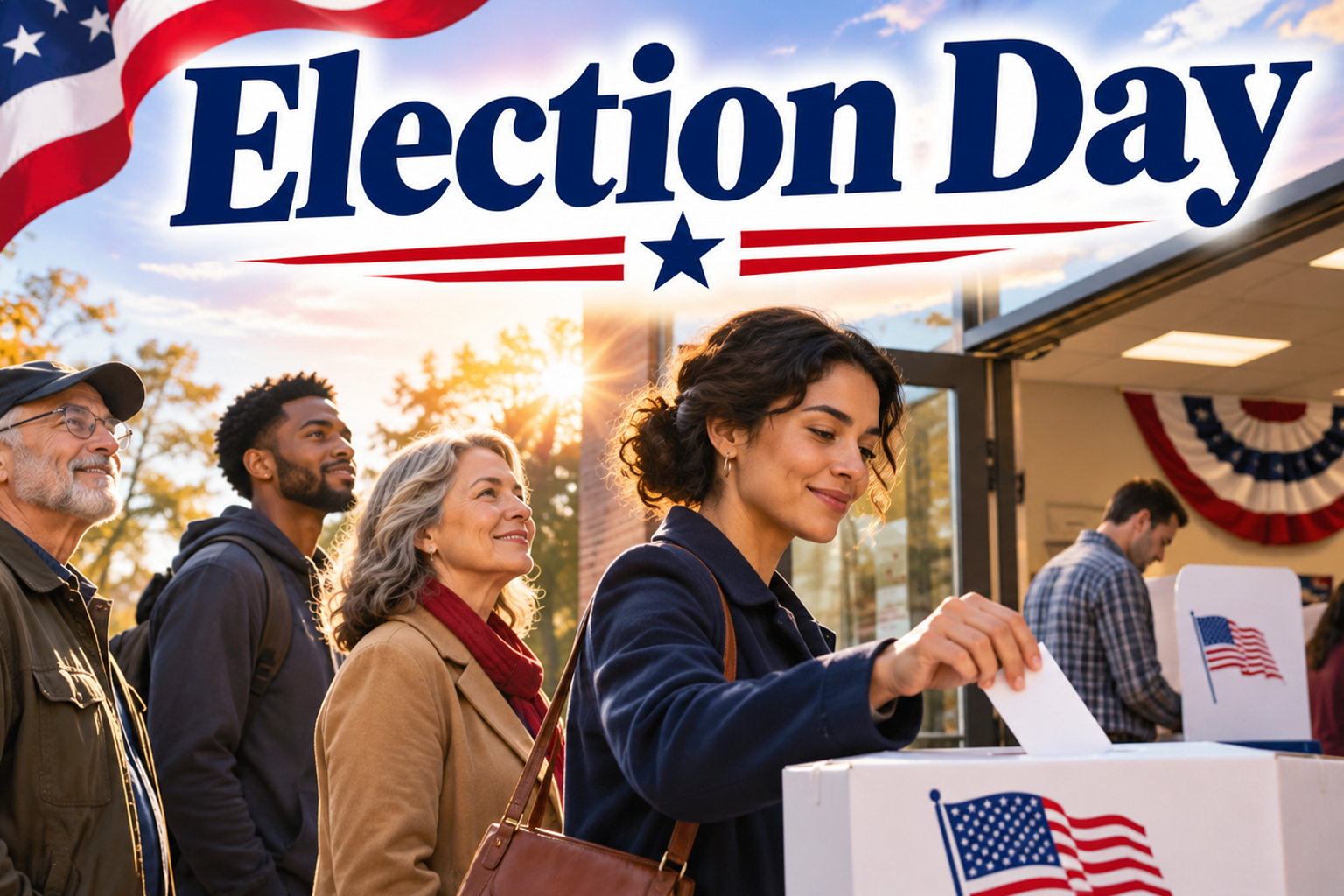
On November 3, vote if you have not already done so. If you voted early, your work is not finished. Call friends and family to remind them about Election Day. Offer a ride to someone who needs transportation. Help a neighbor confirm their polling location and voting hours. A personal invitation may be what moves someone from good intentions to action.
Remember: you can choose to ignore politics, but you cannot escape its consequences.
The future of America will not be decided by spectators. It will be shaped by citizens who remain involved and encourage others to take part. Vote. Help someone else vote. And stay engaged long after the polls close. Our nation’s future is worth the effort.
Author: Joseph Vargas